
Water Monitoring

Water Industry
Water companies continuously monitor water quality at every stage, from rivers and groundwater sources, through treatment works and distribution systems, to wastewater treatment and final discharge.
Monitoring includes chemical, biological and microbiological testing, flow and pressure monitoring, leak detection, and real-time sensors in networks and rivers. The data ensures compliance with strict standards, early detection of pollution, and protection of public health and the environment.
Section 82 Challenges
The UK water industry is under increasing pressure to meet government-mandated environmental and performance targets. These include reducing carbon emissions, tightening environmental monitoring, and strengthening energy resilience. Regulators also require near real-time data on water quality, leakage, and energy use to improve transparency and enable rapid response to incidents.
This move toward digital monitoring and automation is driving higher power demands, which solar alone often cannot meet. Without a reliable backup power source, water companies risk non-compliance, financial penalties, reputational damage, and operational disruption.
Fuel Cell Solution
The fuel cell provides a stable and autonomous off-grid power source for water monitoring equipment, enabling operational teams to extend site visit intervals to three months or more. This reliability ensures that critical hydrological and water quality data collection remains continuous, without interruptions caused by power loss.
Cloud-based monitoring delivers full visibility of equipment performance in real time, allowing organisations to remotely track system health and make informed decisions. Fewer on-site visits also reduce safety risks for staff working in remote, sensitive, or challenging water-environment locations.
Fuel cells work efficiently alongside solar power, providing clean energy when the sun isn’t shining, but can also operate on their own as a continuous, low-emission power source.
Fuel Cell Technology
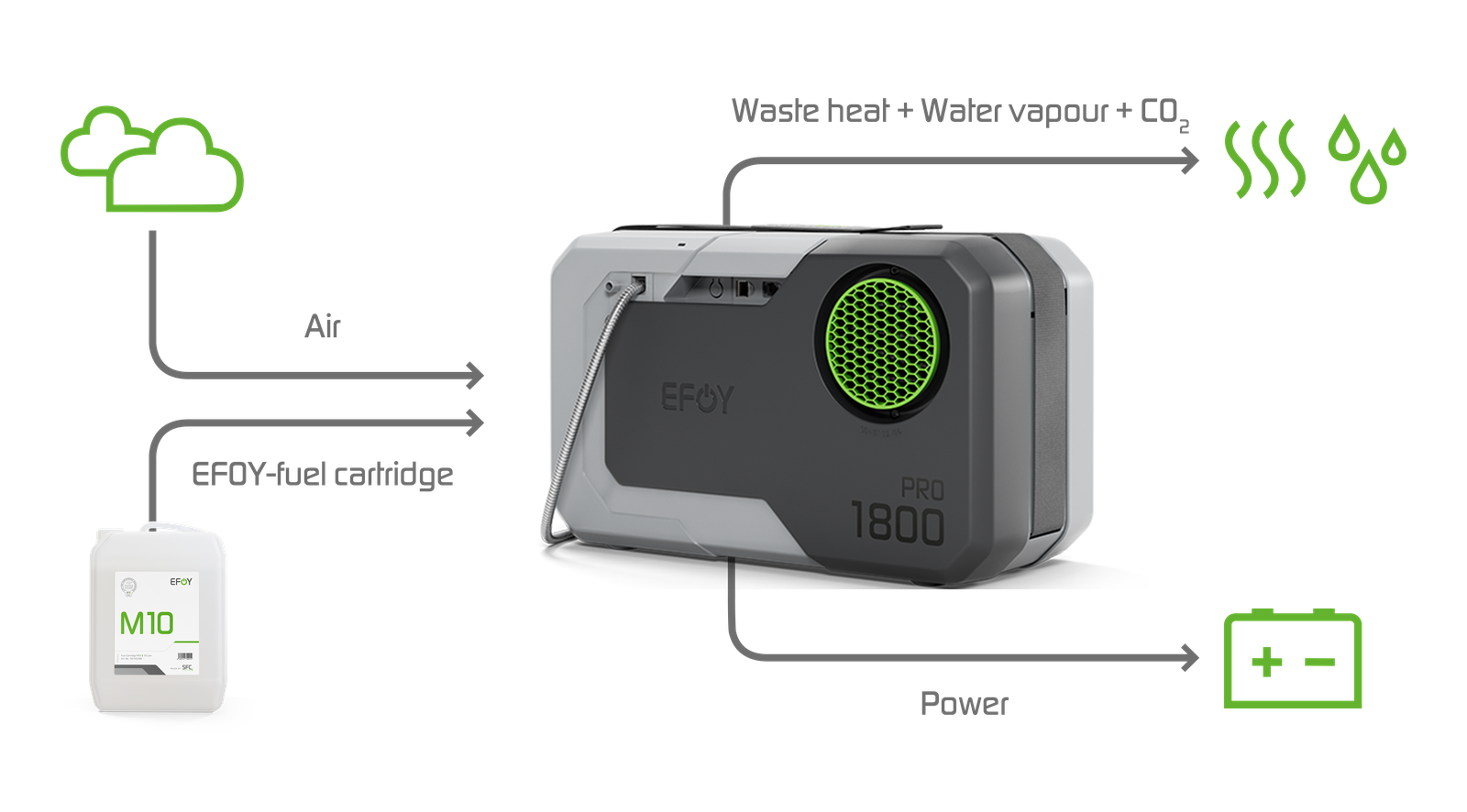
Learn how fuel cell technology works and why it’s an efficient energy solution.
Types of Fuel Cells
Discover the different types of fuel cells, including DMFC, PEM and solid oxide.
Benefits of Fuel Cells
Understand the environmental and operational benefits of fuel cells.
Case Studies
Wessex Water - Continuous Water Quality Monitoring
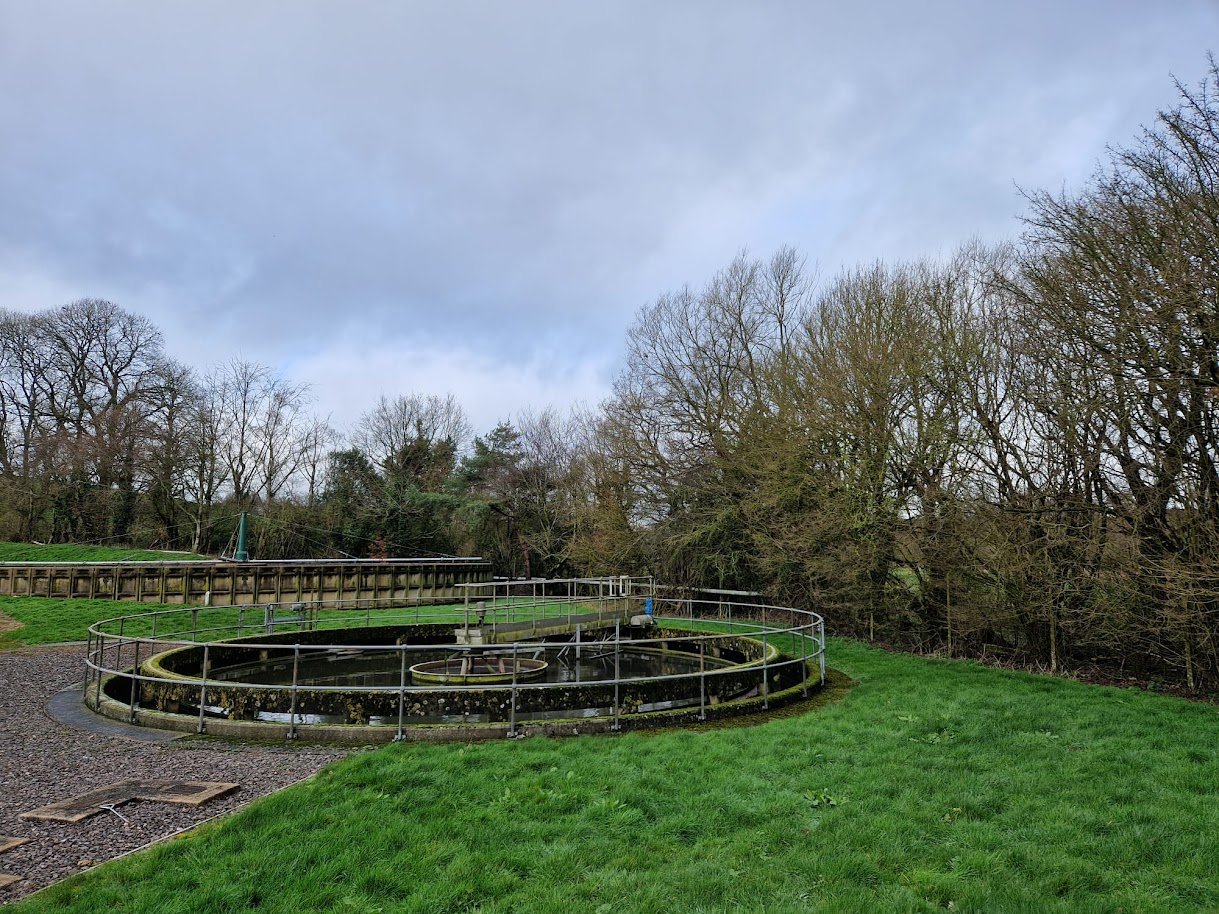
As expectations around river health and transparency increase, the industry is moving towards continuous, high-resolution monitoring. This is a change from traditional methods as it provides a deeper understanding of what is happening within our rivers and waterways.
EFOY Water Monitoring
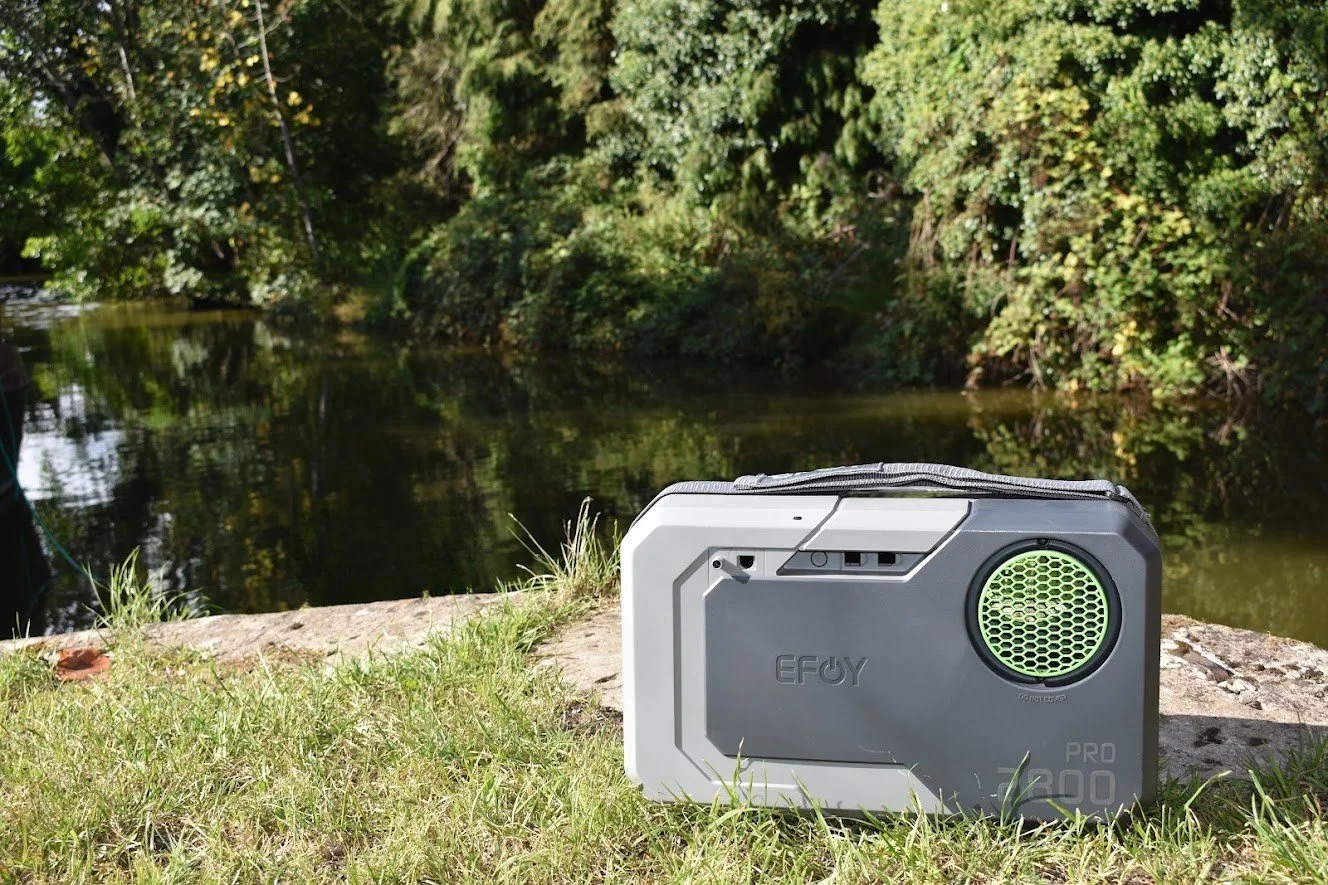
There is an increasing need to ensure our rivers are clean and safe for both the environment and public health. Fuel Cell Systems Ltd delivers the power solution needed to support continuous water quality monitoring.
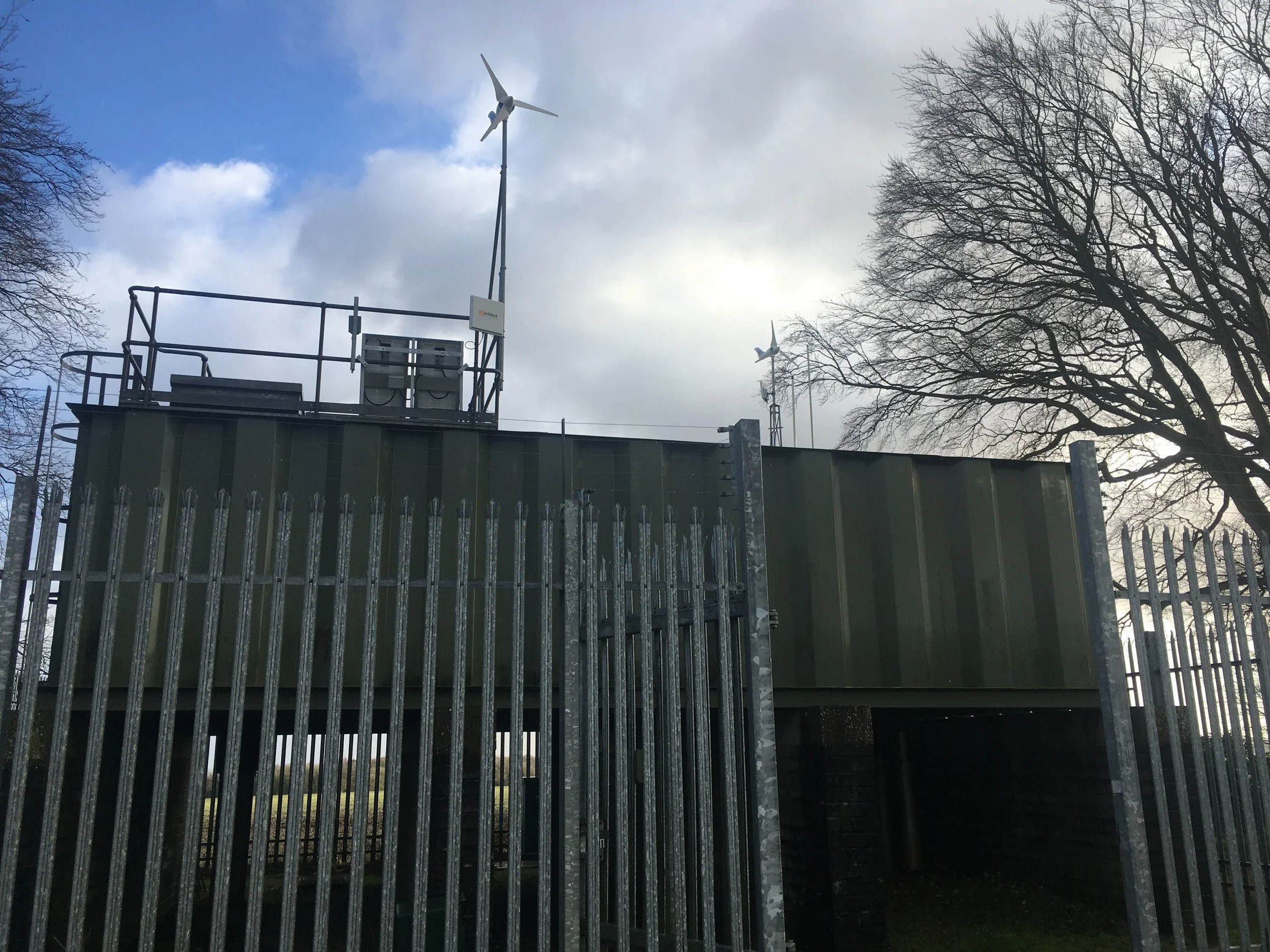
Wessex Water - Water Tank Monitoring
The water tank in Wiltshire is equipped with monitoring systems that draw a continuous load of 1A at 24VDC. Previously, this site relied on two wind turbines and six solar panels to charge batteries and power the equipment.
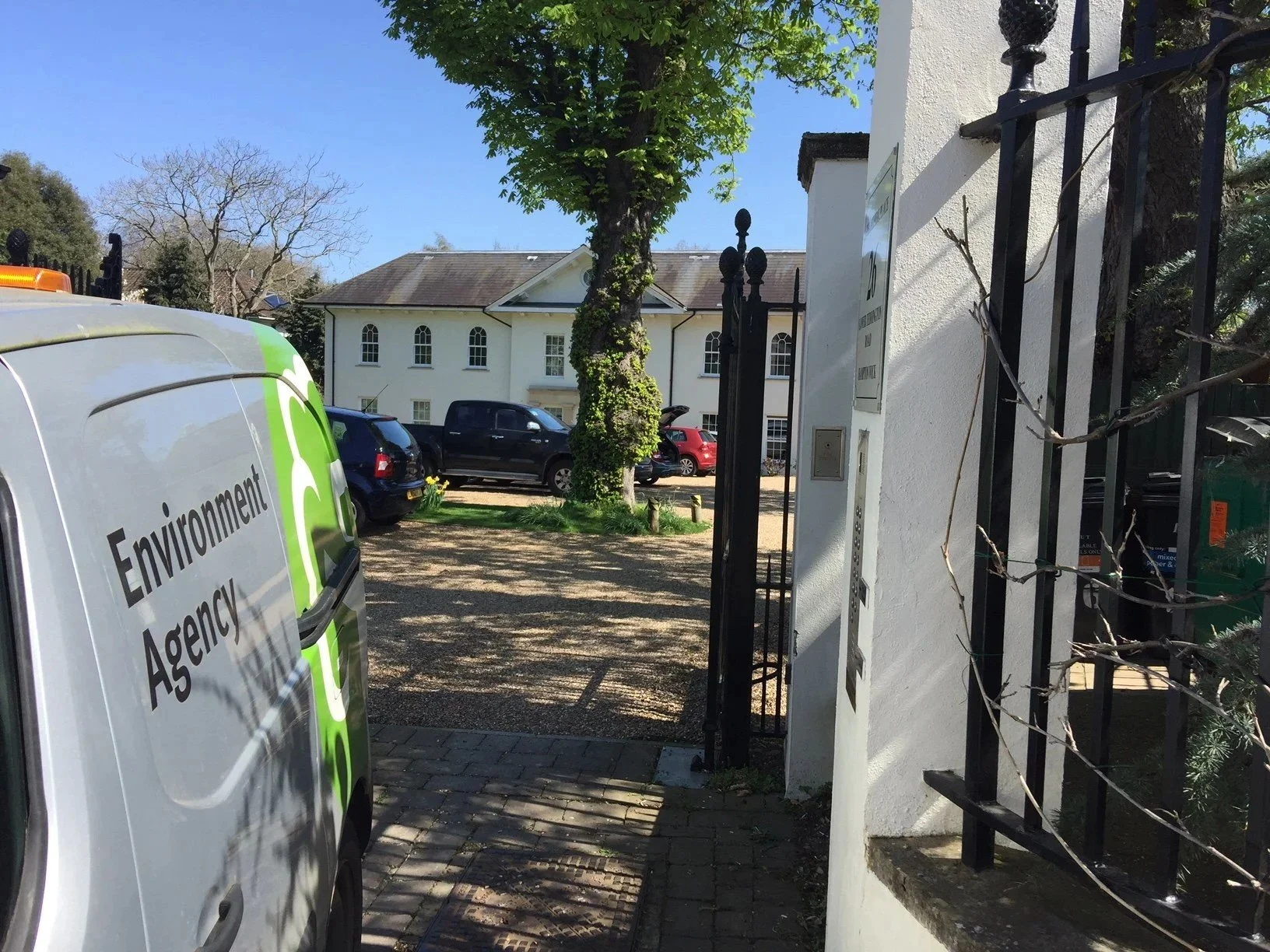
Environment Agency
One of the many roles of the Environment Agency (EA) across the country is to monitor water levels on UK rivers, ensuring effective and timely flood warnings are given. This is achieved using specialized telemetry equipment, which requires a reliable source of power.
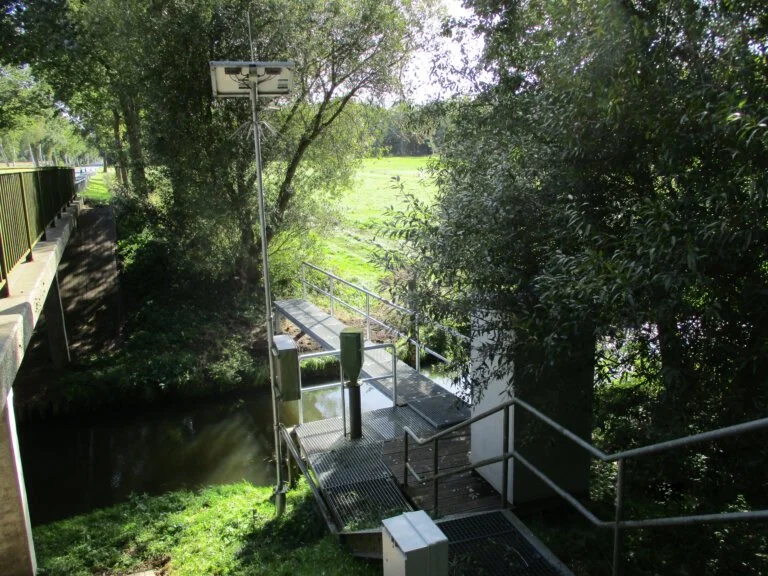
NLWKN
The NLWKN operates water level gauges on rivers to monitor and share data online. Many stations are in remote areas where grid access is costly. Traditional power sources like batteries and solar panels often fail in winter due to high energy needs and low sunlight.

Greater Wellington Regional Council
Greater Wellington Regional Council’s (GWRC) hydrology team operates a flood warning network across the Wellington Region in New Zealand. Many of their monitoring sites are located in remote areas, making solar energy the primary power source.

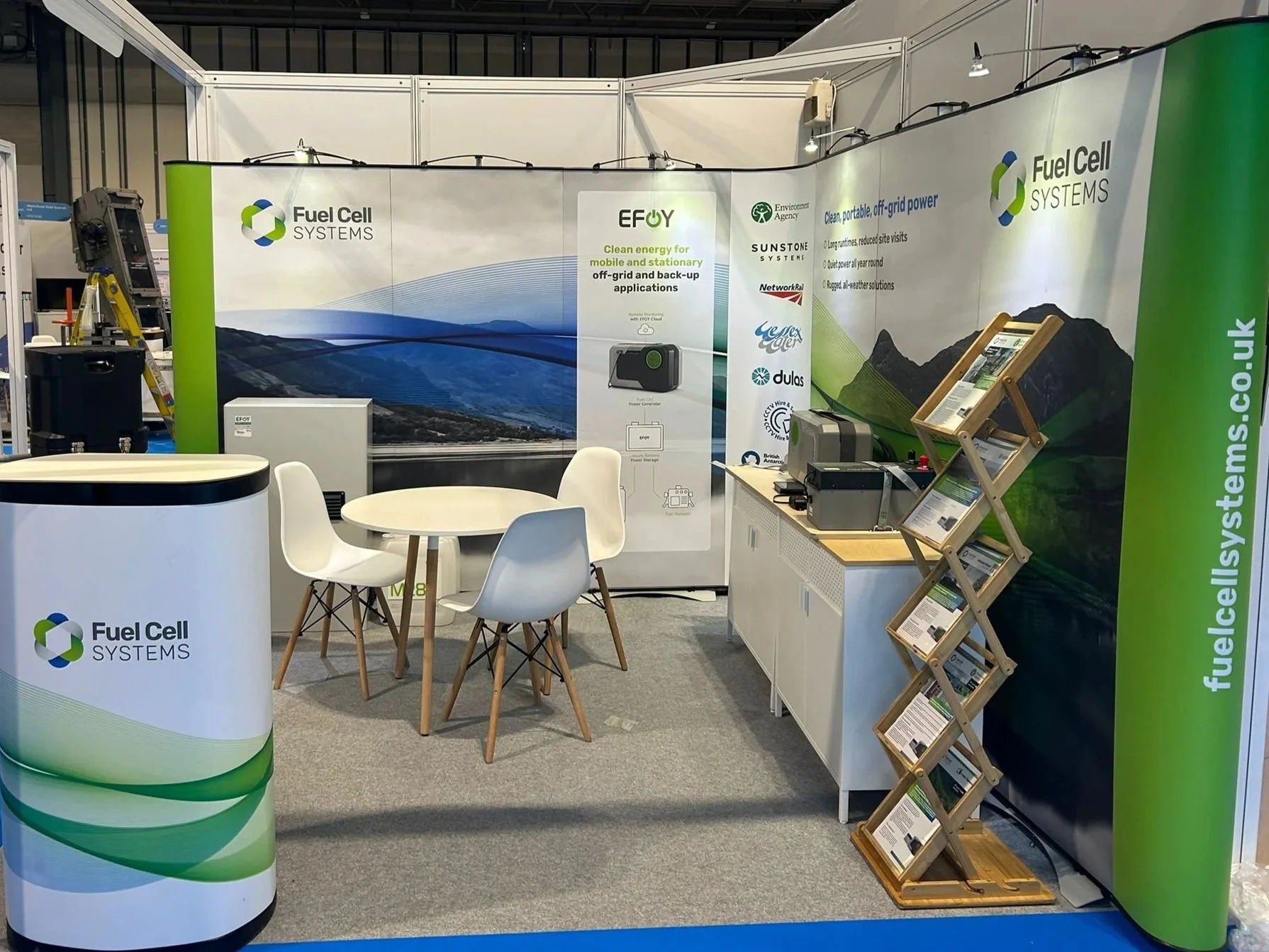
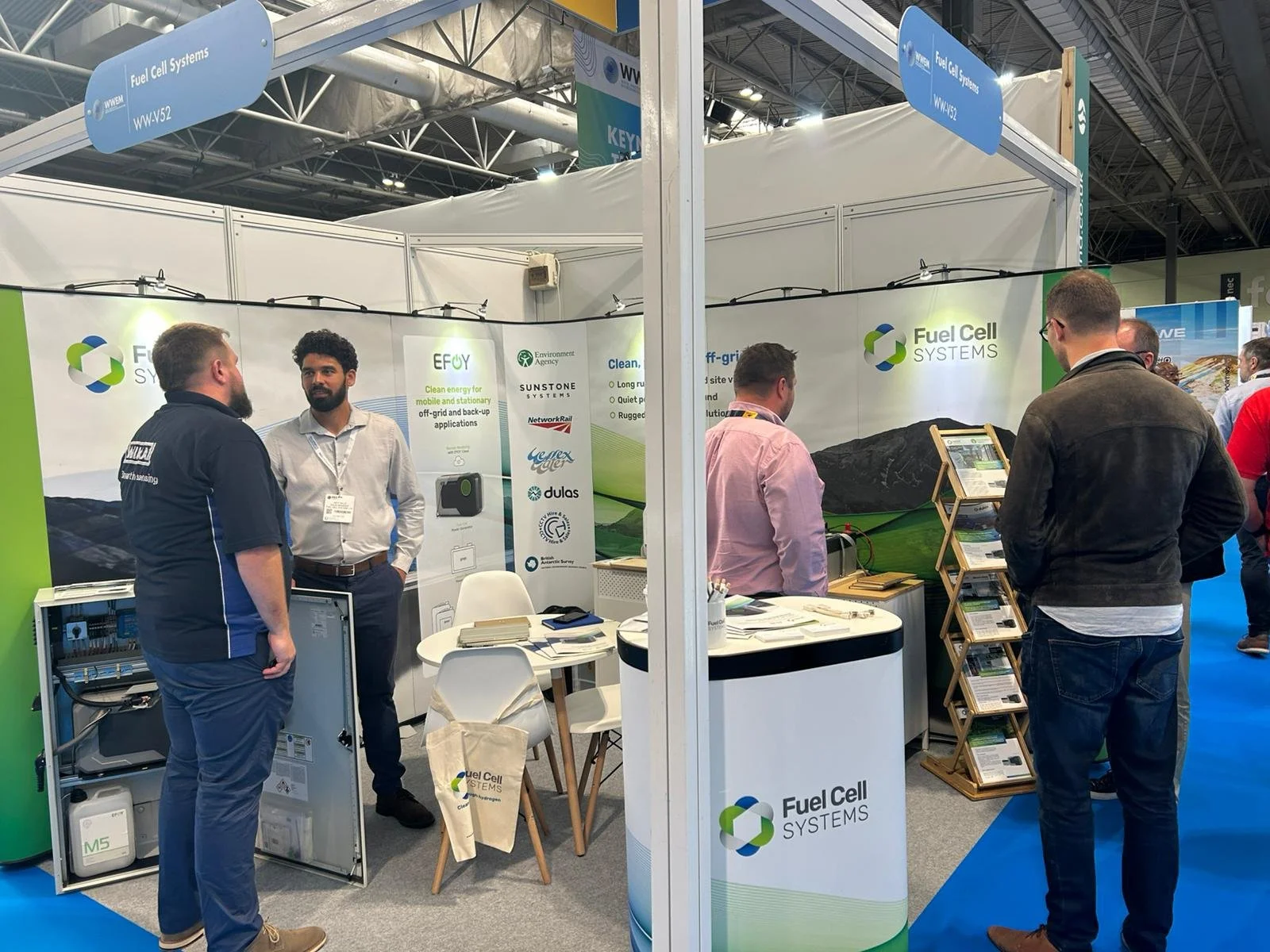
We have exhibited at the WWEM Expo in recent years where we focused on our fuel cell solutions for the water, wastewater, and environmental management sectors. At this event we demonstrate the versatility of fuel cell technology and its role in delivering reliable, sustainable power across diverse applications.
Take a look at our full range of products including accessories and enclosures designed for water monitoring applications.
Reach out to our team today to discuss your project and get guidance on the best fuel cell solution for your needs.