
Reliable power for remote data gathering, and the growing need for fuel cells
As the need for remote monitoring applications grows, the issue of providing reliable, remote power is becoming more acute. Dr Lee Juby, CEO at Fuel Cell Systems, explains how direct methanol fuel cells avoid the struggles of conventional micro-renewable power sources.
The need for remote monitoring technology is growing, driven by legislative, environmental, and operational forces that make continual data collection a critical matter for many organisations. However, while batteries, wind, and solar may be suitable power sources in some cases, far-flung locations, intermittency, and seasonal variation can make micro-renewables too unreliable and costly to be viable alone. Fortunately, direct methanol fuel cells (DMFCs) offer a clean and dependable alternative.
The growing need for remote monitoring
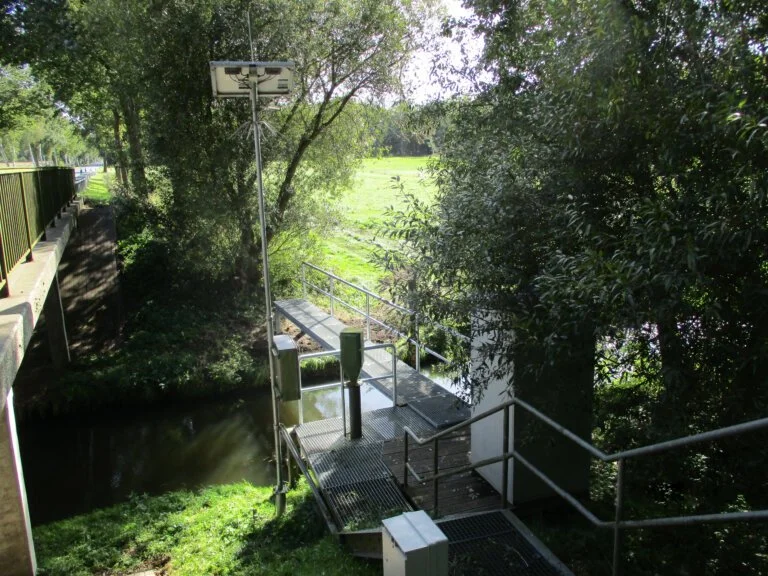
In some sectors legislation is driving the need for more remote monitoring technology. Water companies, for example, are now subject to Section 82 of the Environment Act, which mandates they must continuously monitor water quality up and downstream of storm and sewage overflow locations – and make the data publicly available. There are thousands of these sites across the UK, and many are remote. Failed data collections will result in large fines and visible gaps in the data.
The changing UK climate is also driving demand for remote monitoring devices. As the UK has become windier and wetter, it experiences more flooding events. Authorities such as the Environment Agency depend on remote flood warning systems that collect and transmit real-time data from rivers and streams across the UK. Any gap in monitoring could mean delayed warnings and increased risk to communities downstream.
Other drivers for the uptake of remote monitoring solutions include operational efficiency, security or safety. Ultimately, if security, monitoring or maintenance teams can be replaced by remote equipment, workers can be kept out of hazardous environments, and data gathering can be accelerated.
The challenges of existing solutions
The primary challenge facing any remote monitoring application is maintaining reliable, year-round power far beyond the grid. Small solar arrays, wind turbines and battery packs have often been used together to provide consistent power, replacing polluting and now unpopular diesel generators.
However, the intermittency and seasonal variation of renewables can cause power to cut out. Batteries can compensate when the sun isn't shining or the wind isn't blowing, but they can't be relied on for extended periods. That means data gathering operations will cease unless maintenance teams make routine visits to replace batteries.
Visits like this are an impractical and expensive burden for organisations such as water companies and regulators driven by constrained budgets and operational efficiency. Battery replacement visits to just one remote monitoring site run by Wessex Water cost the operator £3,000 per winter. The expense increases with each location, as they become more remote, or even require specialist teams or vehicles to access.
The advantages of direct methanol fuel cells
But there are alternatives. Direct methanol fuel cells (DMFCs) are effectively a cross between a battery and a generator. Like a traditional generator, they actively produce power and do not simply store it. But, like a battery, they do this by turning chemical energy into electrical energy without any combustion or complex moving parts. This makes them efficient, reliable, low-maintenance, and low-emission – producing only small amounts of exhaust gases other than simply water vapour.
DMFCs provide reliable, continuous power and can be used as a primary power alternative or as back-up power when combined with micro-renewables. As a primary power source, they can operate for very long periods without needing to refuel, reducing the need – and therefore cost – of routine site visits. When combined in a hybrid system, they can achieve runtimes of several months or more, meaning users like utilities companies can eliminate winter site visits, letting maintenance teams focus on other critical tasks.
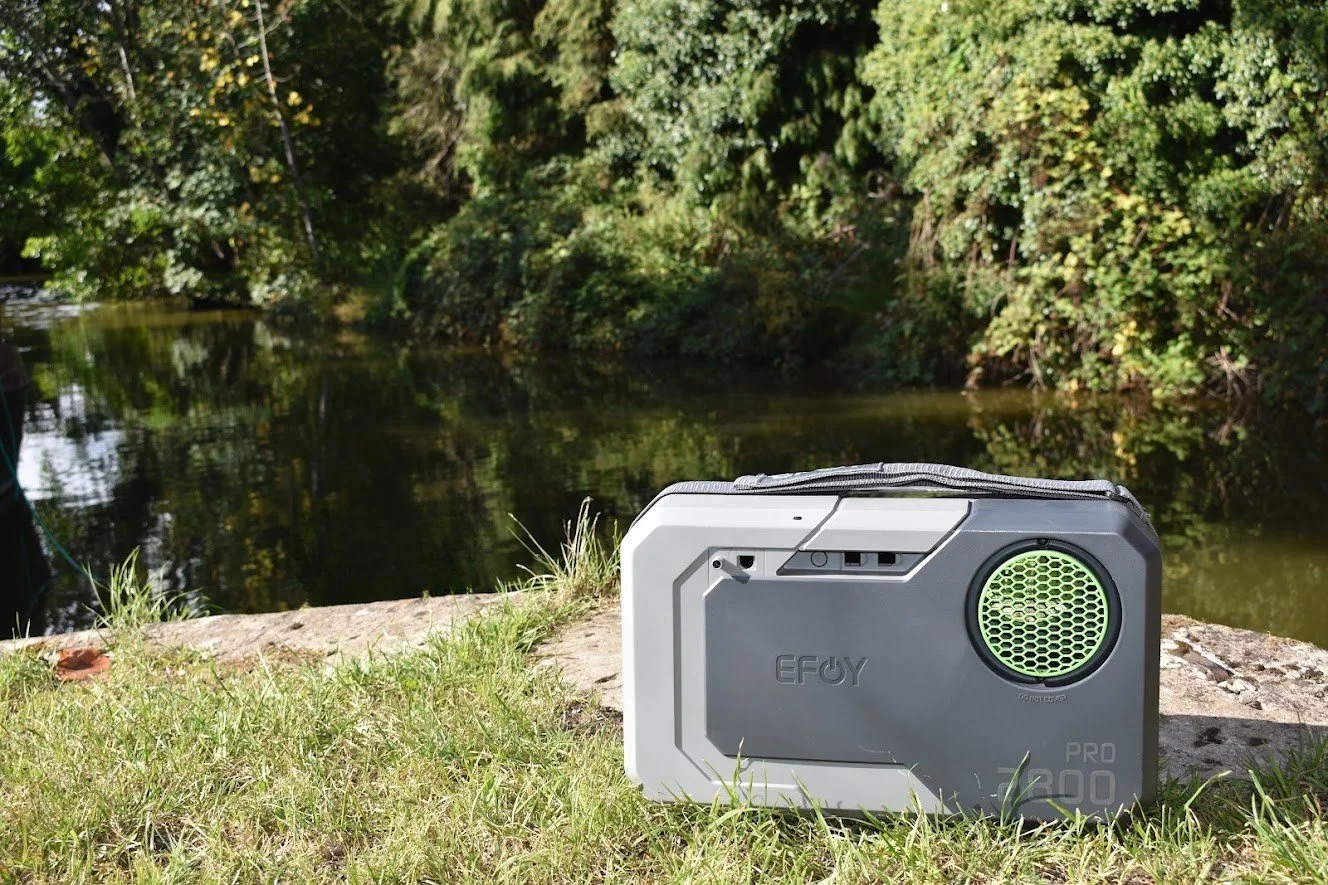
Integrating DMFCs into a hybrid remote power solution is easy. Whether using a ready-to-go product, like an EFOY fuel cell, or creating a bespoke solution designed for the unique operational needs of the remote monitoring station. Intelligently designed systems will monitor the battery voltage and automatically engage the fuel cell to charge it, returning to standby when no longer needed. This ensures power for continuous data collection without degrading the battery life.
Meeting data monitoring demand
As demand for remote monitoring continues to grow across multiple sectors, the limitations of certain power solutions become increasingly apparent. Direct methanol fuel cells offer a readily available answer to these challenges, delivering reliable, year-round power while reducing operational costs and maintenance burdens. This proven technology works in some of the most remote and hazardous conditions – from trackside on national railways to mountain tops in Antarctica – and is relied upon by engineers and executives alike to provide continuous power to their mission-critical operations.
For organisations dependent on continuous high-quality data collection from remote locations, fuel cells are the alternative power source and enabler for critical infrastructure. Explore Fuel Cell System’s case studies to see them in action.