
Hydrogen ground support equipment for airport operations: from pilot to proven
Dr Lee Juby, CEO at Fuel Cell Systems, looks at the momentum growing around hydrogen-powered ground support equipment (GSE) and the pilot projects that are leading the way.
Hydrogen is one of the more promising pathways through which aviation can decarbonise, both as a direct power source for future aircraft and as a feedstock for the production of sustainable aviation fuel (e-SAF). Commercial hydrogen-powered flight remains some way off, and there are currently around 40 e-SAF production operations in the early stages of planning across Europe. However, in addition to these applications, there’s significant potential for emissions reductions based on the equipment on the runways and aprons of every airport.
Why hydrogen and why now?
Ground support equipment (GSE) – the baggage tractors, pushback tugs, ground power units (GPUs) and other equipment that service every aircraft turnaround – has typically run on diesel. Research conducted at Exeter Airport found that ground operations consumed over 78,000 litres of diesel in a single 12-month period, emitting nearly 200 tonnes of carbon. Exeter is a small, regional airport. Scale those figures to a major European hub with hundreds – even thousands – of GSE assets, and the opportunity to significantly reduce aviation emissions through hydrogen-powered ground operations is hard to ignore.
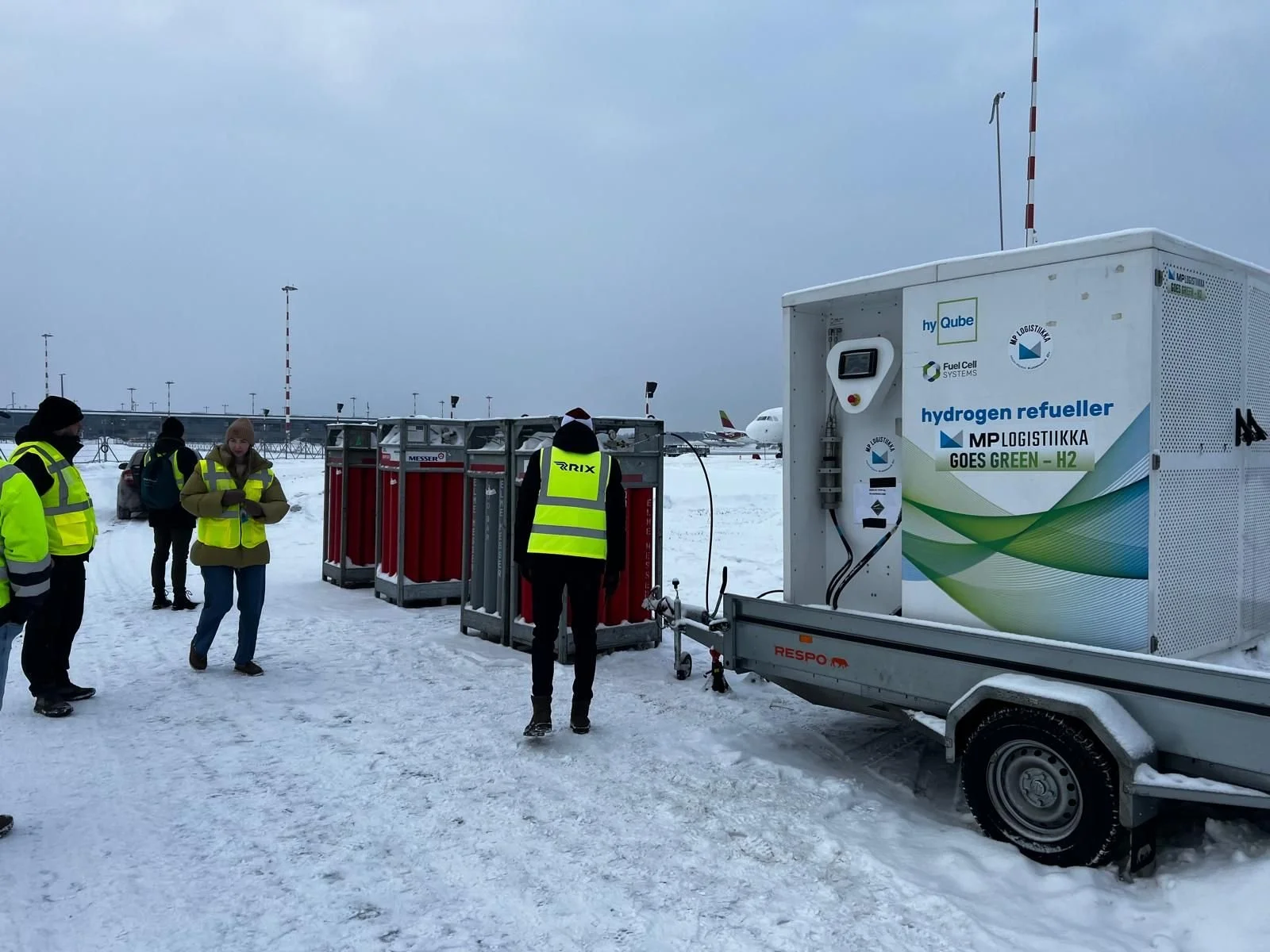
Battery electric-vehicles have made some inroads into GSE, and they have a role to play, but the abilities of hydrogen make it well-suited for the operational demands of a working apron. Refuelling times are comparable to diesel, which helps with fleet availability and aircraft turnaround times. Hydrogen vehicles can also perform reliably in varied weather conditions, particularly in colder climates that impact battery performance. Hydrogen GSE has now been tested and operated at -17°C at Helsinki airport under real winter conditions, with hydrogen refuelling from HyQube infrastructure and the GSE itself delivering consistent, dependable performance throughout.
Policy and technological readiness also lend impetus to hydrogen GSE adoption. Across Europe and the UK, regulations support the use of hydrogen to meet emissions targets, such as those outlined within the UK’s Jet Zero Strategy and Europe’s industry-led roadmap Destination 2050. Hydrogen GSE is readily available and relatively mature. Manufacturers are producing both hydrogen fuel cell (HFC) and hydrogen internal combustion engine (H2-ICE) vehicles, alongside dual diesel-hydrogen ground power units (GPUs) for powering parked aircraft. Early trials have also demonstrated the viability of converting diesel GSE to hydrogen, which, given the long lifecycle of most GSE and the size of their fleets, could save operators a significant sum when it comes to fleet renewal compared to battery-only assets.
The story of hydrogen refuelling progress so far
The story of hydrogen refuelling at airports will start with the use of gaseous hydrogen for GSE, and so far, over the past few years, we’ve witnessed several successful trials progressively and methodically de-risking hydrogen for GSE operations.
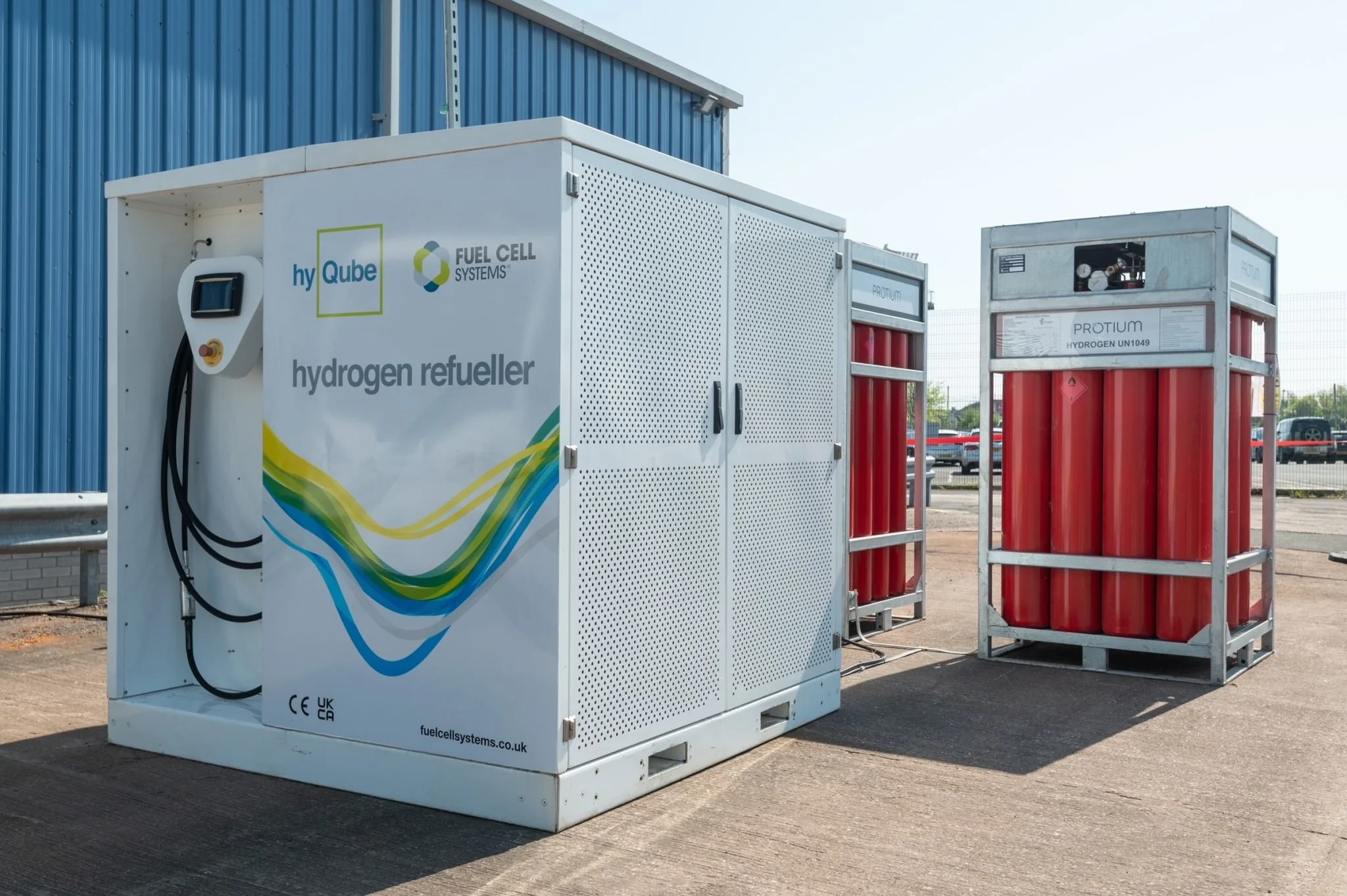
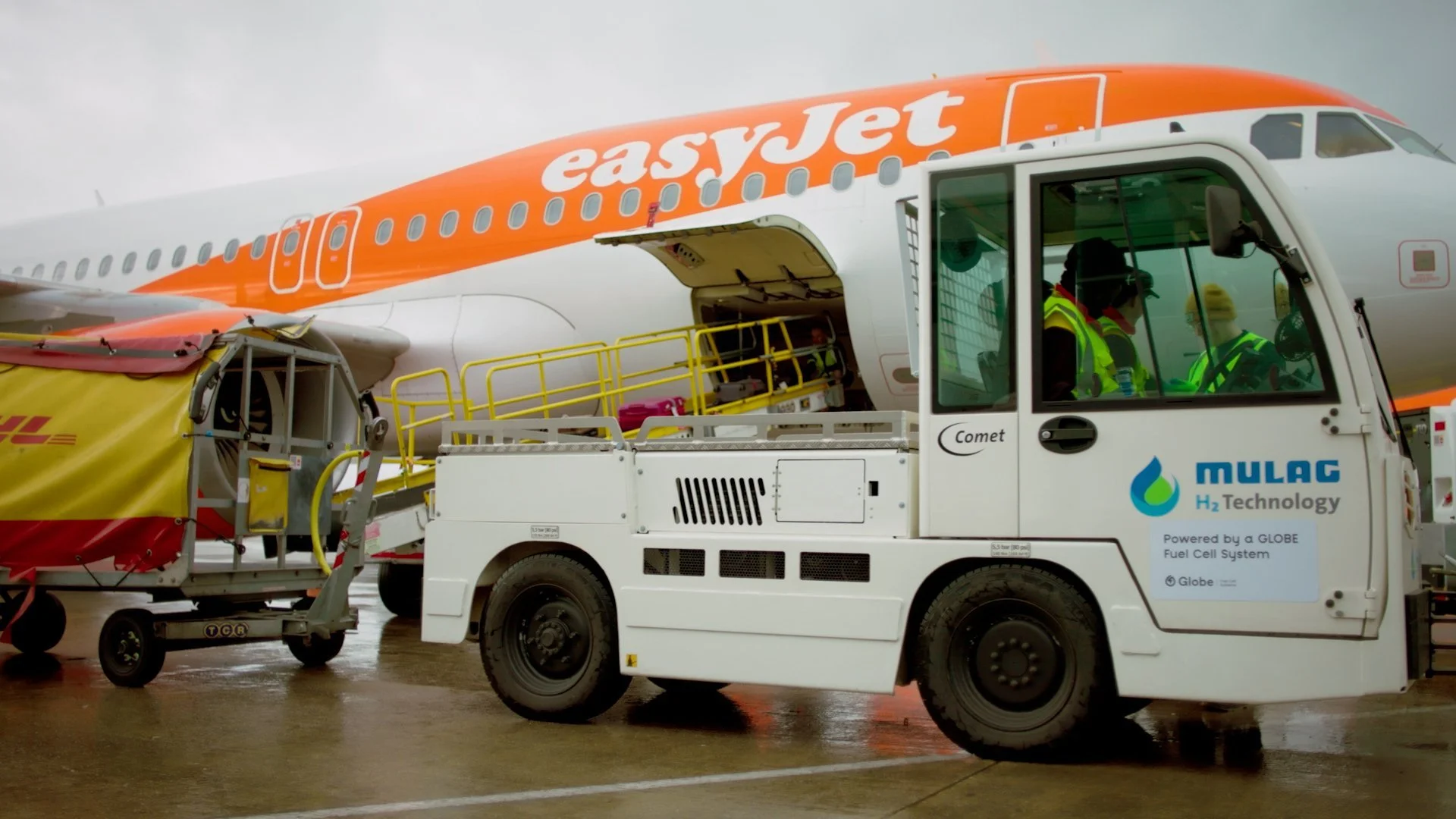
At Bristol Airport, Project Acorn became the first airside hydrogen refuelling trial at a major UK airport. Working with easyJet, the Civil Aviation Authority (CAA) and Cranfield University, a HyQube modular refueller was used to fuel a hydrogen-powered baggage tractor during live turnaround procedures, gathering the real-world data needed to help shape regulation and standards for safe airside hydrogen use. The project was recognised with the Large Aviation Innovation Award at the 2024 Aviation Industry Awards UK.
Exeter Airport took the concept further. In a world first, a TUI Boeing 737 completed a full commercial turnaround using multiple hydrogen-powered vehicles simultaneously: a fuel cell baggage tractor, a hydrogen combustion pushback tug, and a hybrid hydrogen-diesel GPU. This trial proved that a fully hydrogen-supported turnaround is viable today.
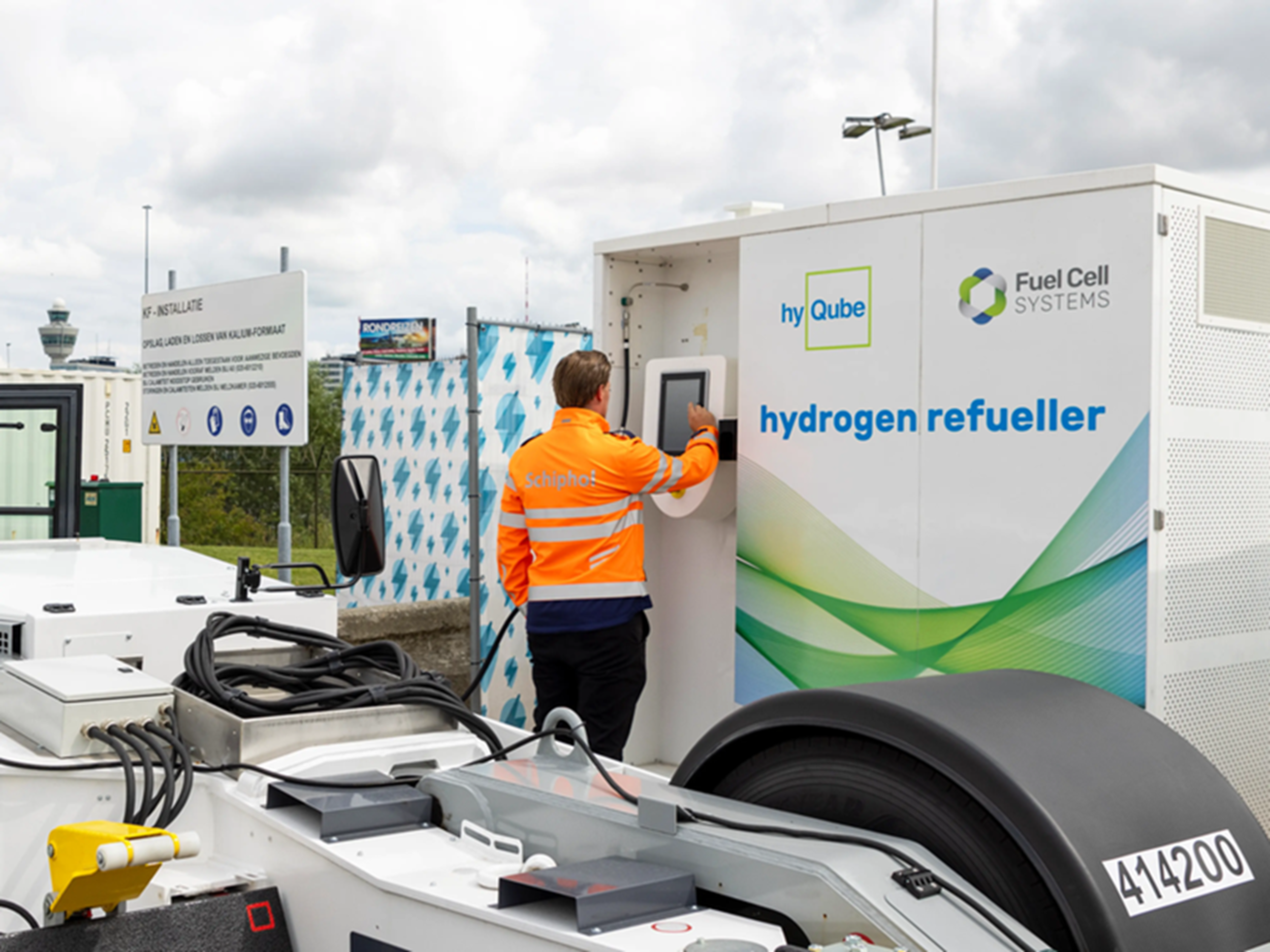
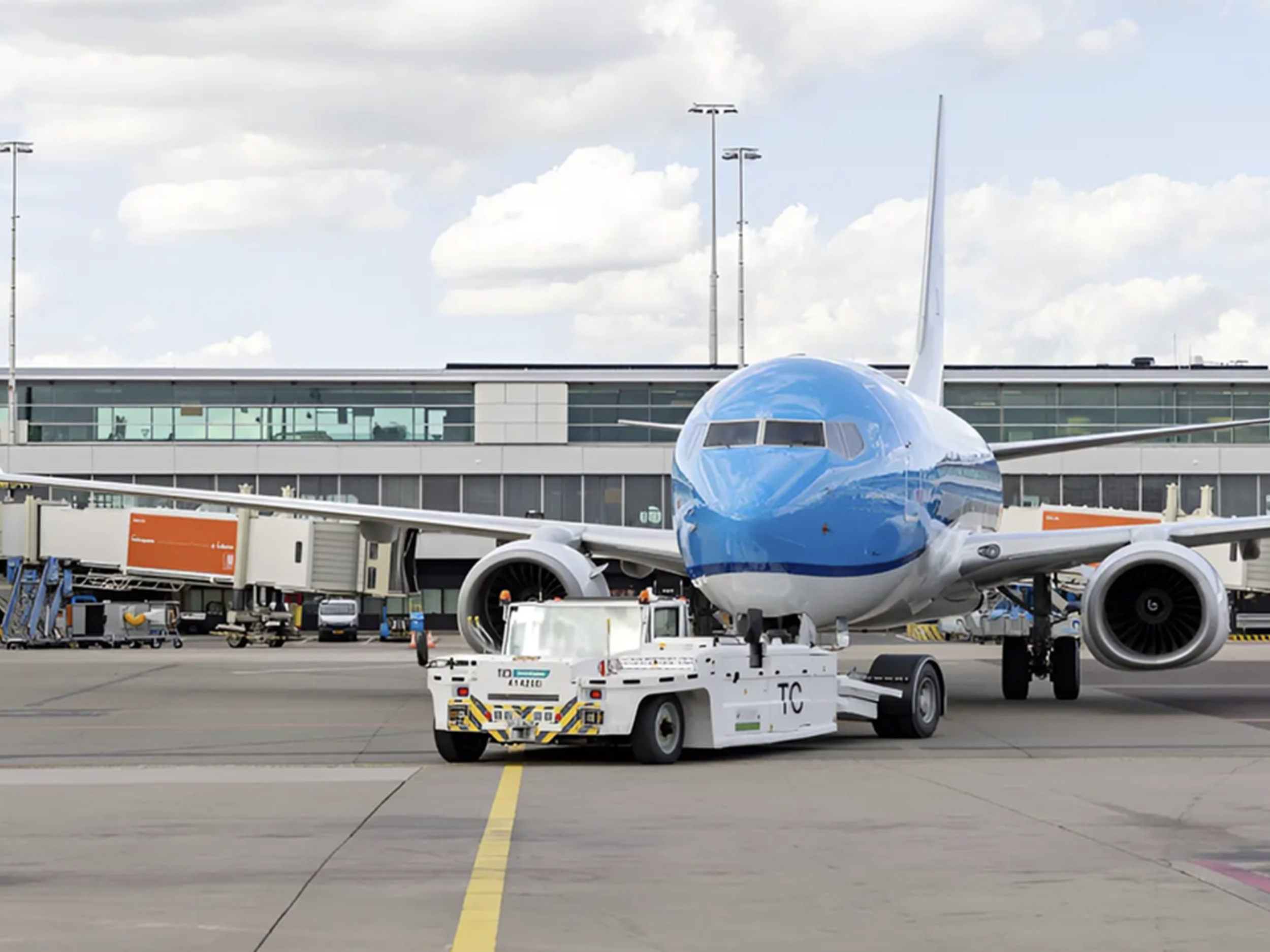
Schiphol Airport in Amsterdam, which in 2024 was the world’s busiest by passenger traffic, demonstrated that this is not purely a story for smaller European airports. As part of the TULIPS programme, the airport has run successful hydrogen GPU trials. It also recently completed a hydrogen ground vehicle trial, using a HyQube modular refueller to supply hydrogen to a pick-up truck and a specially developed aircraft tow vehicle, which routinely tows Boeing 737s between parking zones, hangars, taxiways and gates.
From pilot to proven… to permanent?
These successful trials demonstrate that the widespread use of hydrogen GSE is achievable, while providing valuable insight for other airports seeking to duplicate these pilots and decarbonise their operations. Knowledge-sharing throughout the industry is key, and many of the successful projects are positively contributing to the development of regulations and guidelines for the sector. This evidence base is essential given that in both the UK and EU, there aren’t yet in place fully formalised regulatory frameworks or operational guidance for hydrogen storage and refuelling in the airside environment.
However, ensuring a successful trial or pilot project requires first-hand experience. Storage and refuelling options will need to be calibrated to the individual needs of each airport, along with the operational requirements of the GSE fleet. This means working with a partner that has successfully demonstrated their ability to deliver the assets and support required – across multiple airports, multiple countries, multiple vehicle types and in the full range of conditions a European operation might encounter.
Going from pilot to more permanent hydrogen GSE usage will also be a large undertaking, and that same experience will be a necessity for scaling. With more GSE operating in busier environments, different storage and refuelling assets will be needed, and airports will need to consider their hydrogen delivery schedules and the potential for on-site production. The location of refuelling must also to be looked at. Static refuelling sites have so far been successful, but mobile refuelling from tankers or trucks may be required for refuelling GSE assets – and even aircraft themselves – at remote stands.
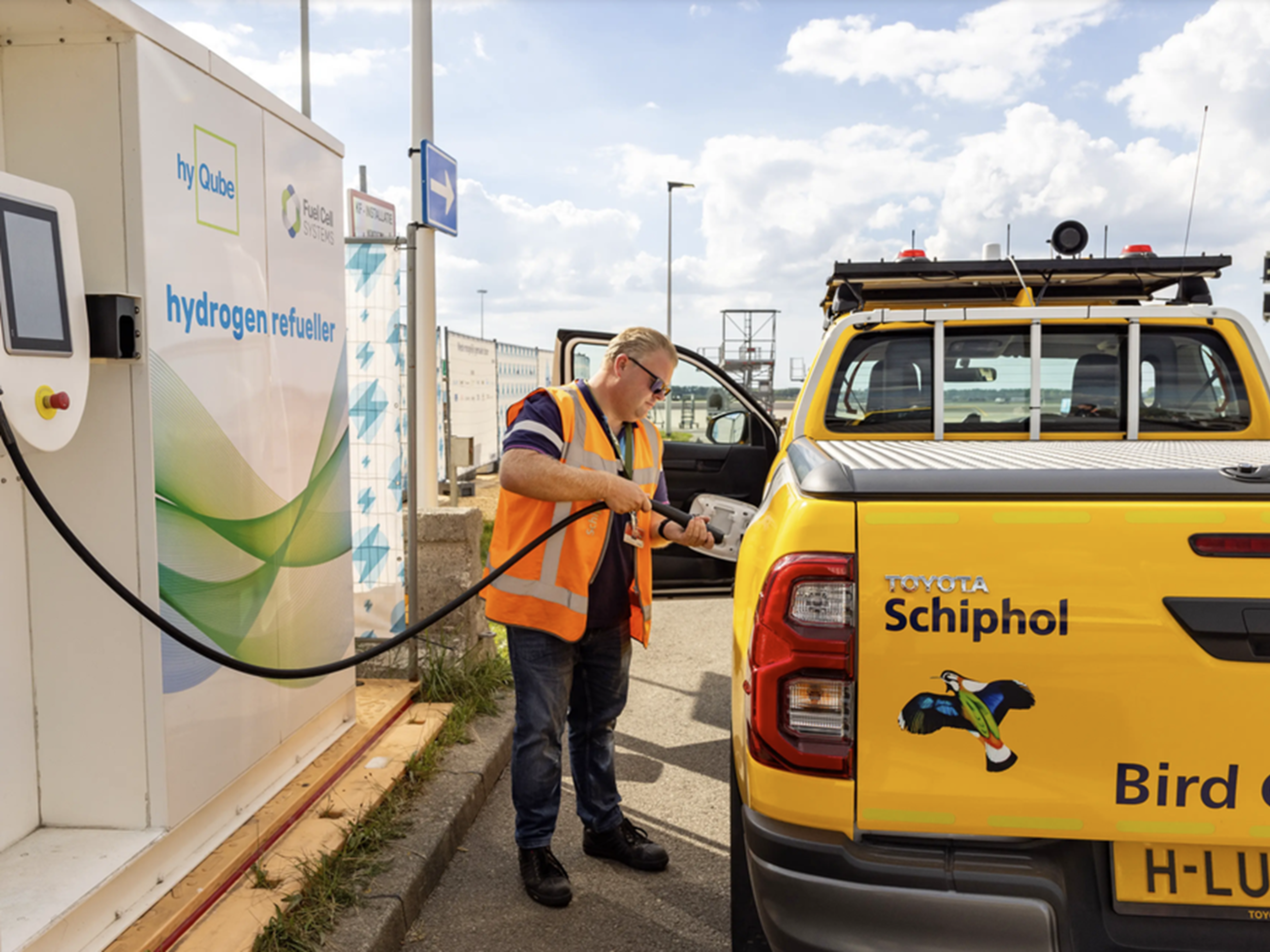
Fuel Cell Systems has facilitated each of the mentioned trials and more across Europe, providing the essential refuelling infrastructure alongside technical support, training, and consultation on the operational needs of each site. From major hubs to regional airports primed to lead the way, Fuel Cell Systems has the demonstrated knowledge and a range of refuelling assets suitable for sites of varied scale. Explore the details at Fuel Cell Systems.