
Hydrogen for the Aviation Sector
Hydrogen technology is being explored across aviation to reduce emissions and support net-zero goals. Trials at airports (e.g., hydrogen-powered ground support equipment and aircraft turnarounds) are showing how green hydrogen can decarbonise operations and infrastructure.
‘Fuel Cell Systems demonstrated strong industry knowledge, a robust understanding of hydrogen safety and operational requirements and a professional approach to supporting partners through early-stage hydrogen adoption. Their ability to provide dependable refuelling infrastructure and responsive engineering support contributed significantly to the successful delivery of these trials.’
Dr Thomas Budd, Associate Professor of Airport Decarbonisation, Cranfield University
Project Acorn
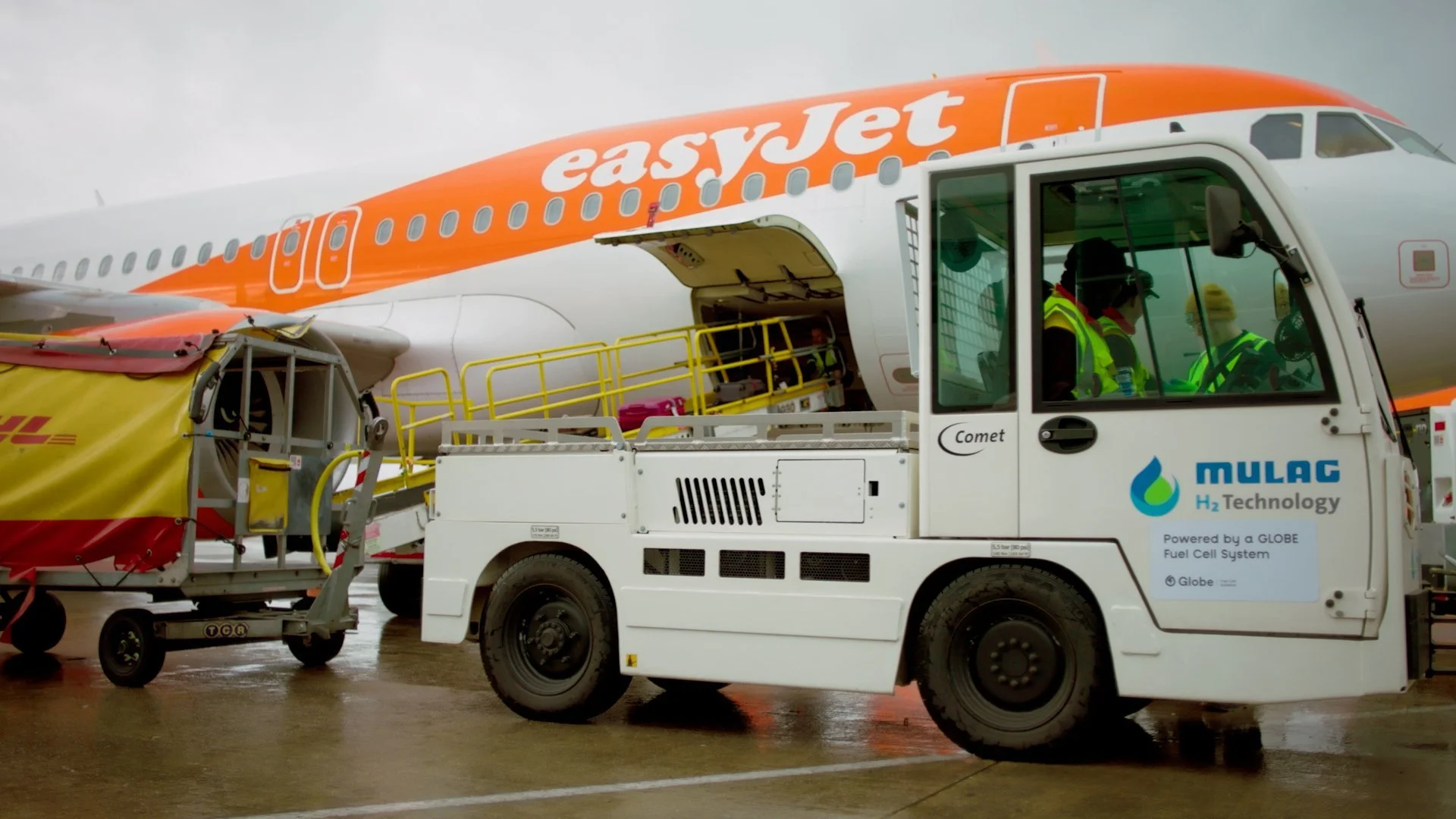
Hydrogen offers significant potential to deliver zero carbon emission aviation, but a key challenge in the UK is the lack of regulatory framework and operational guidance for hydrogen storage and refuelling in the airside airport environment. This led to the formation of Project Acorn, a ground breaking airside hydrogen refuelling trial involving easyJet, Bristol Airport, the Civil Aviation Authority, Cranfield University and multiple industry partners.
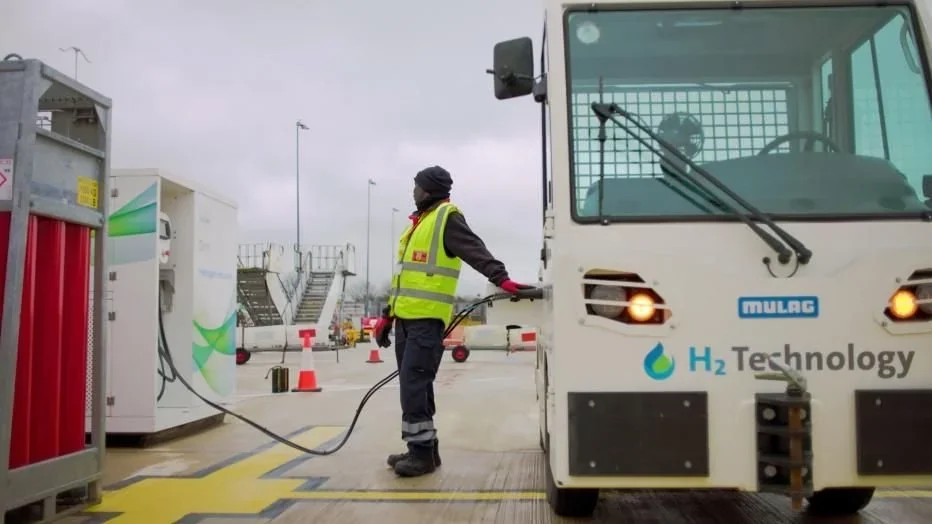
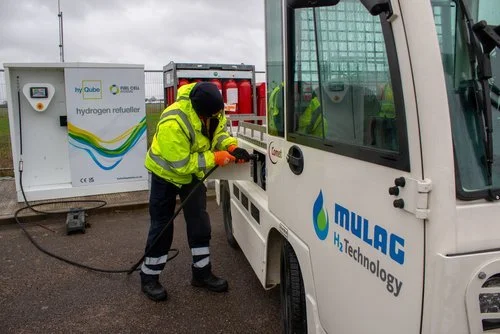
At Bristol Airport, Fuel Cell Systems supplied a HyQube modular refueller to support the first airside hydrogen refuelling trial at a major UK airport. The HyQube was used to refuel a hydrogen fuel cell powered baggage tractor during live aircraft turnaround procedures, gathering data and knowledge to support establishing industry standards and procedures and contributing to the development of future safety regulation for hydrogen use in aviation.
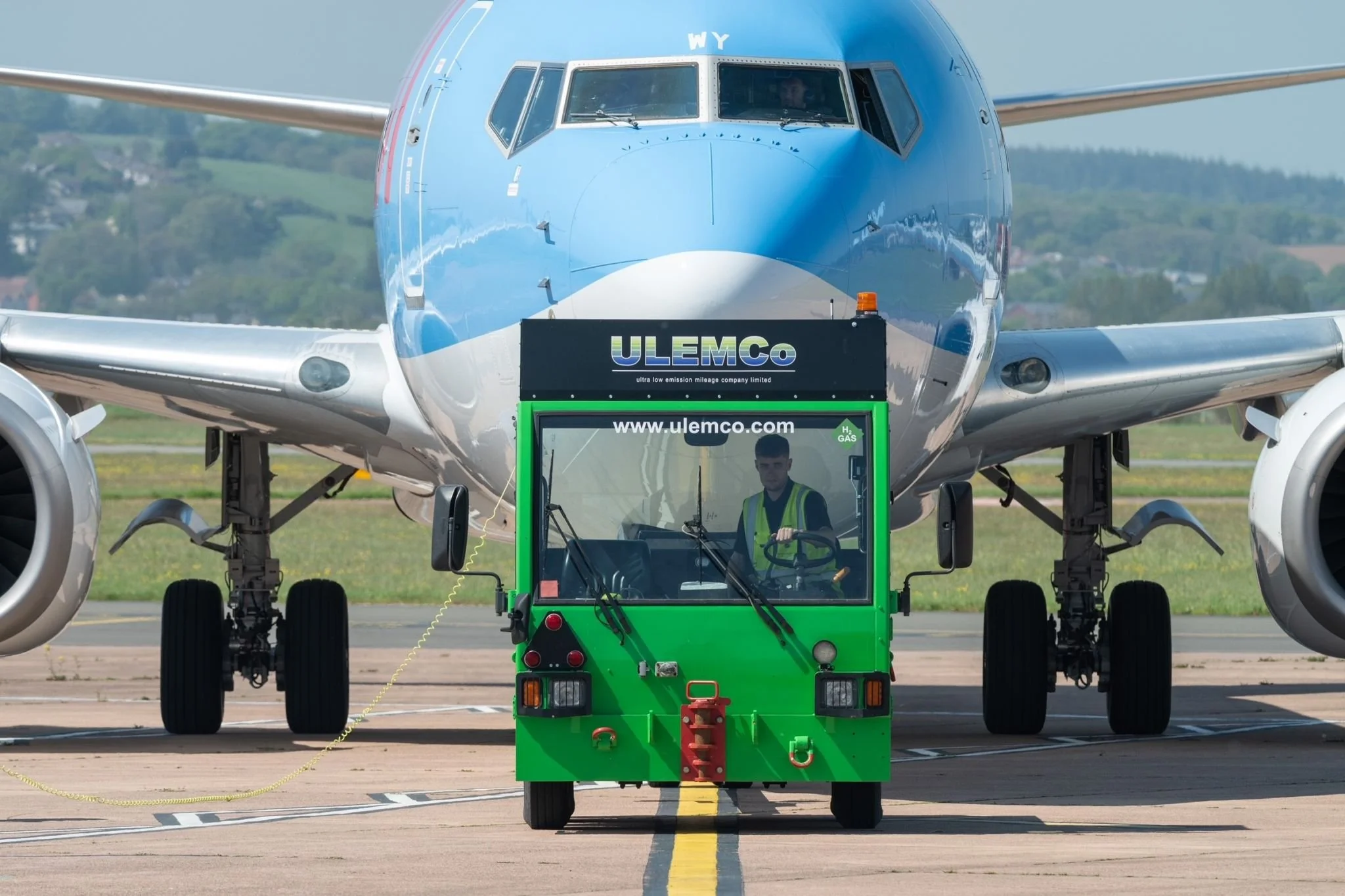
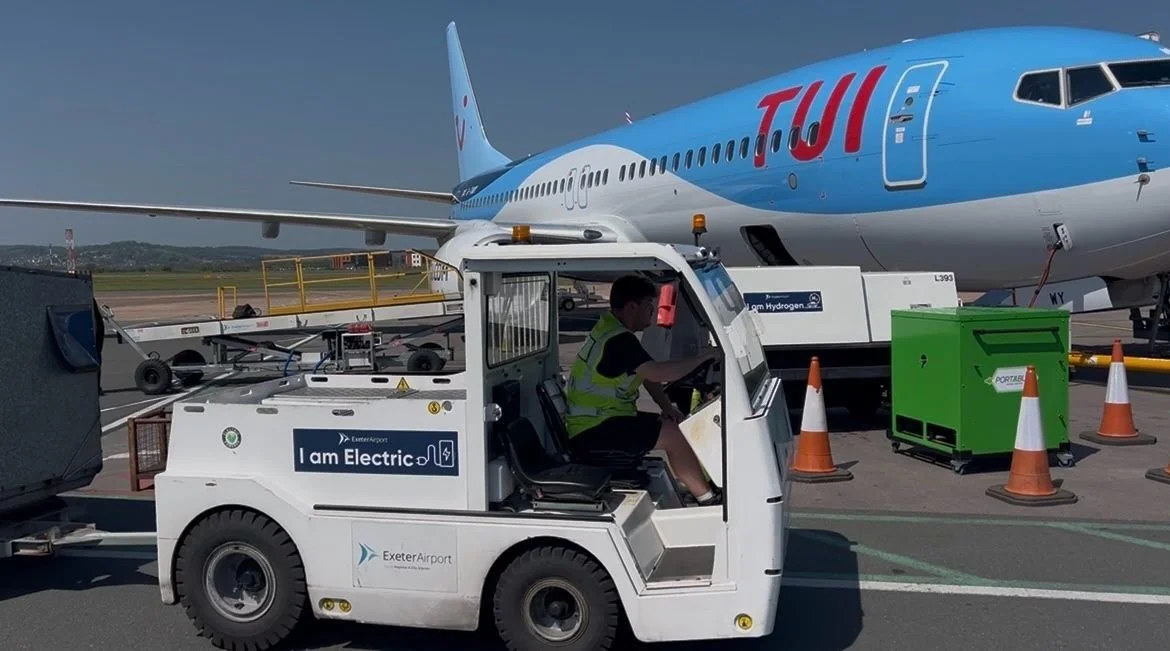
TUI Flight Turnaround
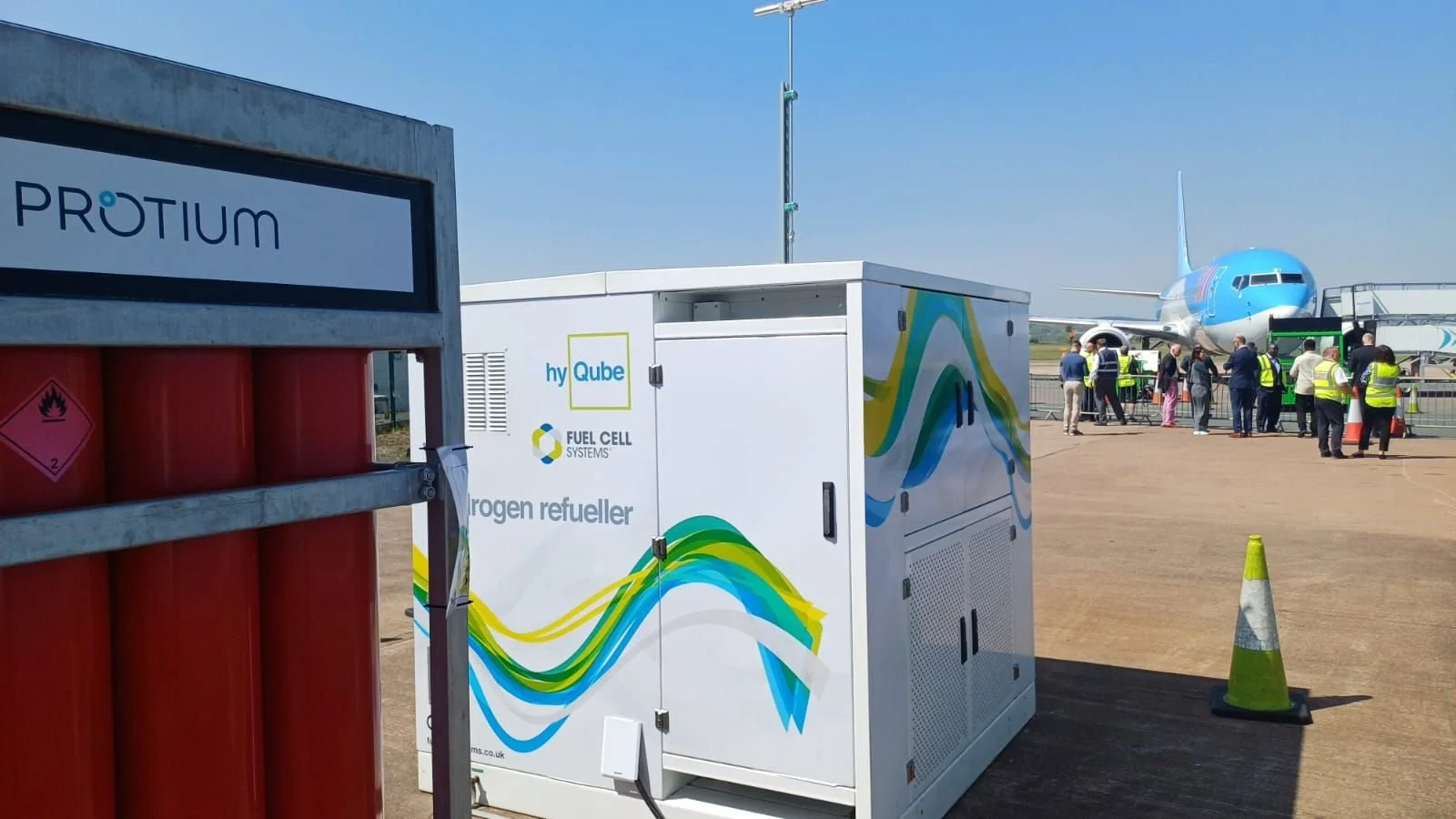
At Exeter Airport, Cranfield University took part in the UK’s first live hydrogen aircraft ground operation trial, supported by Fuel Cell Systems through hydrogen refuelling capability and technical support for hydrogen-powered ground support equipment. Using FCSL’s HyQube refueller, a TUI Boeing 737 completed an aircraft ground operation with multiple hydrogen-powered vehicles operating simultaneously, supported by the UK Civil Aviation Authority’s Hydrogen Challenge Programme.
The trial generated valuable data on operational processes, refuelling logistics and safety management in a commercial airport environment, contributing to academic research led by Cranfield University and helping to inform future safety and regulatory frameworks for the airside use of hydrogen. Across these projects, Fuel Cell Systems demonstrated strong industry knowledge, a robust understanding of hydrogen safety and operational requirements, and provided dependable refuelling infrastructure and engineering support critical to the successful delivery of early-stage hydrogen adoption trials.
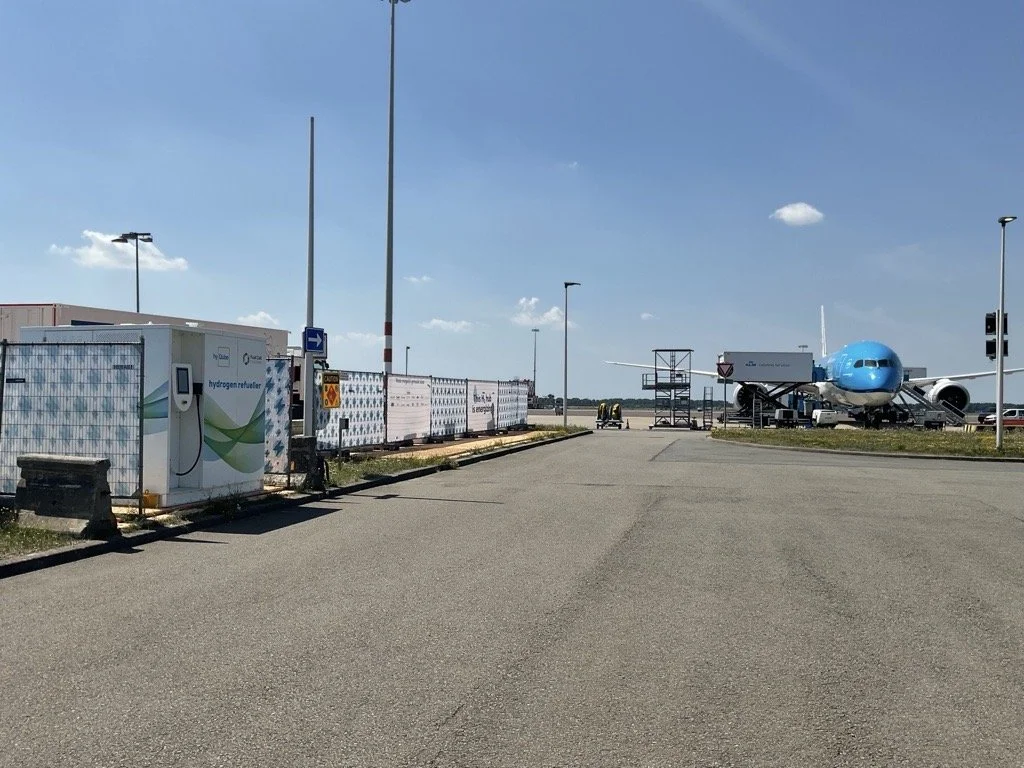
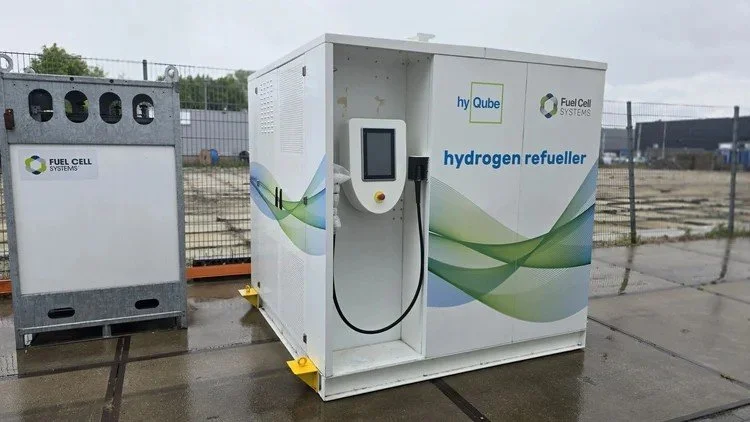
Schiphol Airport
At Schiphol Airport, hydrogen powered ground vehicles are being deployed as part of a pilot trial under the European TULIPS – Green Airports programme. Schiphol temporarily installed a hydrogen refuelling station to supply vehicles including a tow tractor and pickup truck, marking the first time a large international airport has carried out such a pilot.
Following the successful trials at Bristol and Exeter airports, Schiphol selected Fuel Cell Systems’ HyQube to provide hydrogen refuelling capability. The trial supports the wider deployment of hydrogen-powered ground vehicles and contributes to the airport’s sustainability and energy transition objectives.