

Fuel Cell Technology
What Is a Fuel Cell?
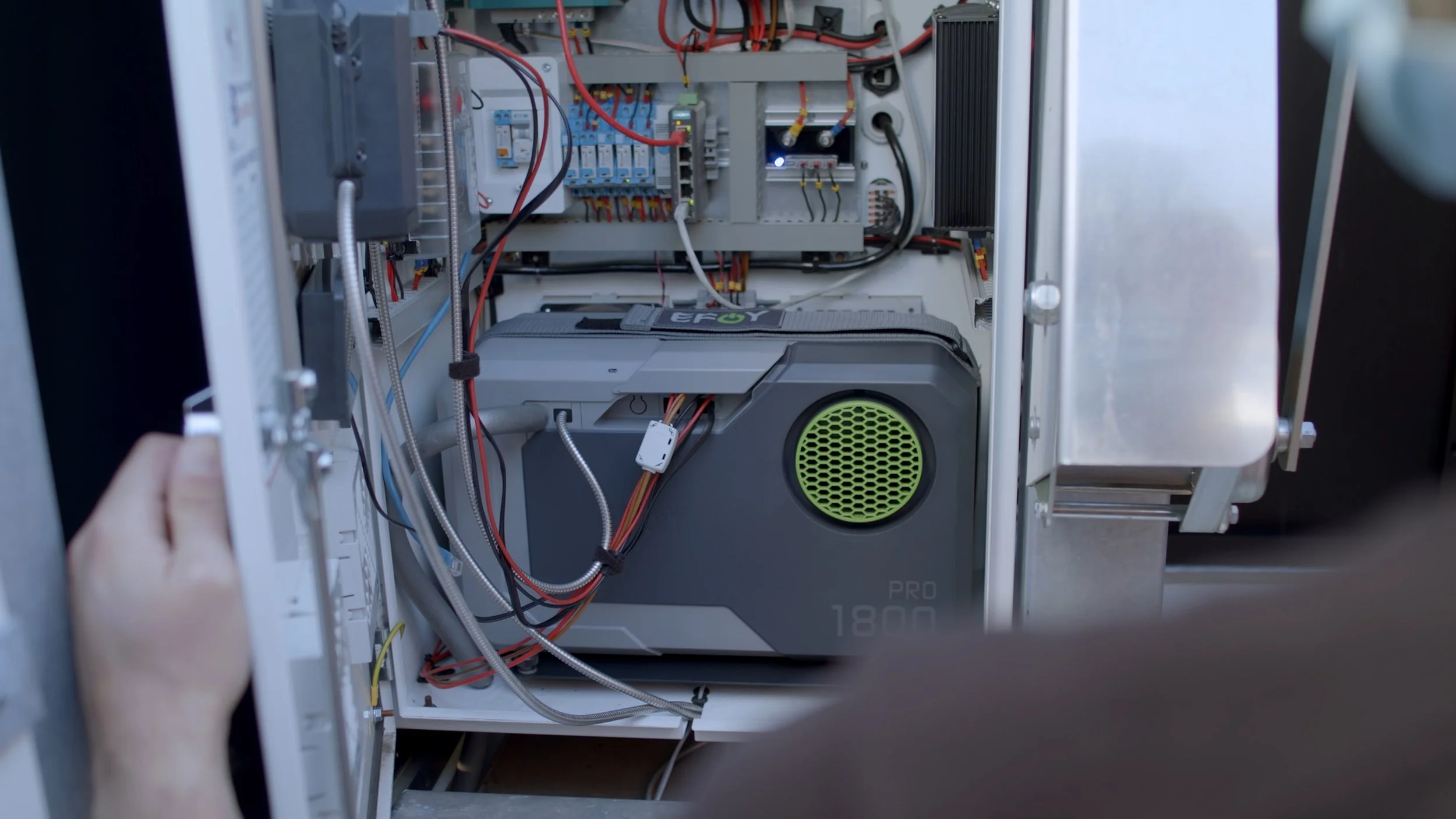
A fuel cell is an electrochemical device that converts chemical energy from a fuel and oxygen directly into electrical energy.
Unlike conventional generators, fuel cells do not rely on combustion or moving mechanical parts. Instead, electricity is produced through a controlled chemical reaction, making fuel cells highly efficient, reliable, and extremely quiet.
Fuel cells operate in a similar way to batteries, but with one key difference: they do not run down or need recharging. As long as fuel and air are supplied, a fuel cell will continue to produce electricity.
How Does a Fuel Cell Work?
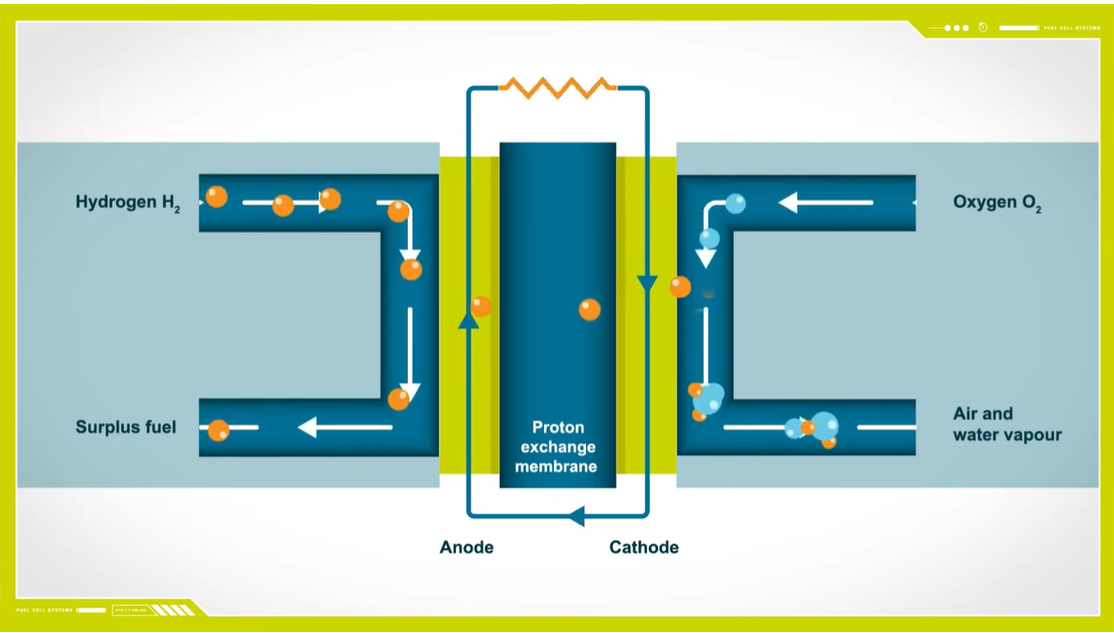
At its simplest, a fuel cell consists of an anode and a cathode separated by an ion-conducting electrolyte membrane. A fuel is supplied to the anode, where a catalytic reaction splits it into positively charged ions and free electrons.
The electrolyte membrane allows only the ions to pass through, forcing the electrons to travel through an external electrical circuit, generating usable electrical power. Oxygen from the air is supplied to the cathode, where it combines with the ions and electrons to form water.
The outputs of this process are electricity, small amounts of heat, water vapour, and very low levels of carbon dioxide, with no combustion, vibration, or mechanical wear.
Fuel Cell Stacks and Systems
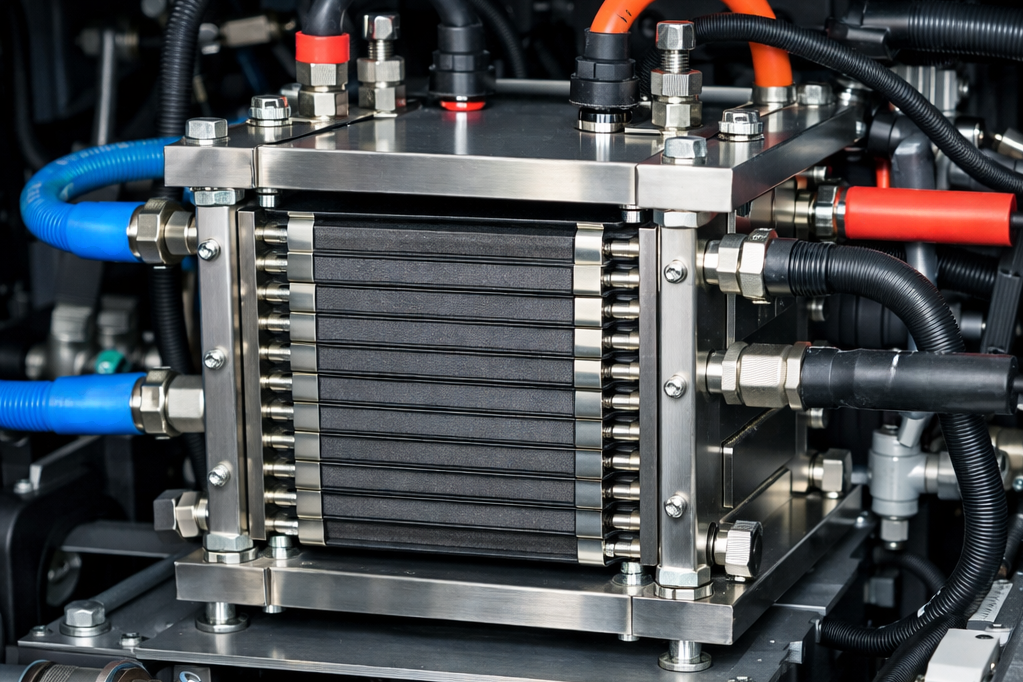
Each individual fuel cell produces a relatively small amount of power. To create usable power levels, multiple cells are combined to form a fuel cell stack.
A complete fuel cell system includes:
The fuel cell stack
Fuel management components
Air supply
Cooling
Electronic control systems
This ensures precise control of fuel delivery, power output, and system safety.
Types of Fuel Cells
Discover the different types of fuel cells, including DMFC, PEM and solid oxide.
Benefits of Fuel Cells
Understand the environmental and operational benefits of fuel cells.
How the Fuel Cell Powers Your System

The EFOY fuel cell supplies 12 V or 24 V DC power directly to the onboard battery system. This DC power is then available to supply connected electrical loads via the batteries.
A direct methanol fuel cell, or DMFC, generates electricity by using methanol as its fuel. The system includes a battery that your application connects to, which stores and supplies the power produced.
Power is generated inside the fuel cell when methanol from a sealed, spill-proof container is consumed. This chemical process produces electricity, which is then managed and protected by internal electronics, including a fuse system, before being delivered to the battery and your application.
The fuel cell is easy to operate and can be controlled either directly through the onboard operating panel or remotely using a Bluetooth connection, allowing straightforward monitoring and control of the system.
The EFOY fuel cell is designed to operate in conjunction with a battery system, rather than replacing it. It does not supply short-term peak loads directly, but instead provides a steady and reliable source of energy to keep the batteries charged and ready for use.
Rather than running continuously, the EFOY functions as an intelligent battery charger. It continuously monitors the battery voltage and automatically starts when the charge level drops below a predefined threshold. Once the batteries are fully recharged, the system switches back into standby mode. This ensures the batteries are maintained within their optimal voltage range, protecting them from damaging deep discharge and significantly extending their service life.
Unlike a traditional generator, which typically runs on a timer or for extended periods regardless of actual demand, the EFOY fuel cell operates only when energy is required. This results in lower fuel consumption, minimal noise, and reduced mechanical wear.
Take a look at our full range of products including accessories and enclosures.
Reach out to our team today to discuss your project and get guidance on the best fuel cell solution for your needs.